A taupe-colored Swingline stapler perches on the bookshelf near my desk. It’s chipped in places with paint worn off along the edges. Anyone glancing at my office supplies wouldn’t think twice about this stapler.
And yet, it has a story. A past. That changes everything.
I left home at sixteen. In preparation, my father took me shopping at a local Staples store. He, himself, managed a drug store, but he didn’t want to send me off with drug store school supplies. He wanted to buy me office-grade equipment. That was my father’s modus operandi. He bought the sturdiest, most heavy-duty things he could afford, saying they’d last longer.
My mother and I still smile at the memories of shopping with my father. All we have to do is considering purchasing something—anything—and memories flow. Even now, years after his death, my father’s presence and what he’d say about our prospective purchases feel vivid.
Over the years, many of the things my father bought have proven him right about lasting power. Those sturdy, heavy-duty things have lasted. Like my Swingline stapler. All these years later (more than I’d like to admit), that trusty stapler still serves me well. It’s moved with me from school to school and, since leaving school, from home to home. And over the years, my relationship with it has also changed.
After my father passed away, my relationship with all the items he gave me changed. The stapler was a simple little desk item that he gave me, but now it has a more complex life. It has the power to arrest my attention, to put me into a different time, and place, and mindset. I look at that stapler and can almost hear my father telling me once again, just as he did when he sent me off to school at sixteen, “You can do anything you want to do.” His words, the sentiment, his open-ended supportiveness that they represent—they’ve stayed with me.
I’ve encountered the term “transitional object”—a psychological crutch, an item that brings comfort and provides a sense of attachment to the loved one it represents. And yet, something in me rebels at describing the stapler that way. To me, at least, the definition of a psychological crutch feels reductive. Not that all psychological theories are reductive. And maybe my own understanding of transitional objects is limited. But sometimes, and in cases like this, I think there’s so much more to say. So much living, and loving, and experiencing goes into the power of these memories.
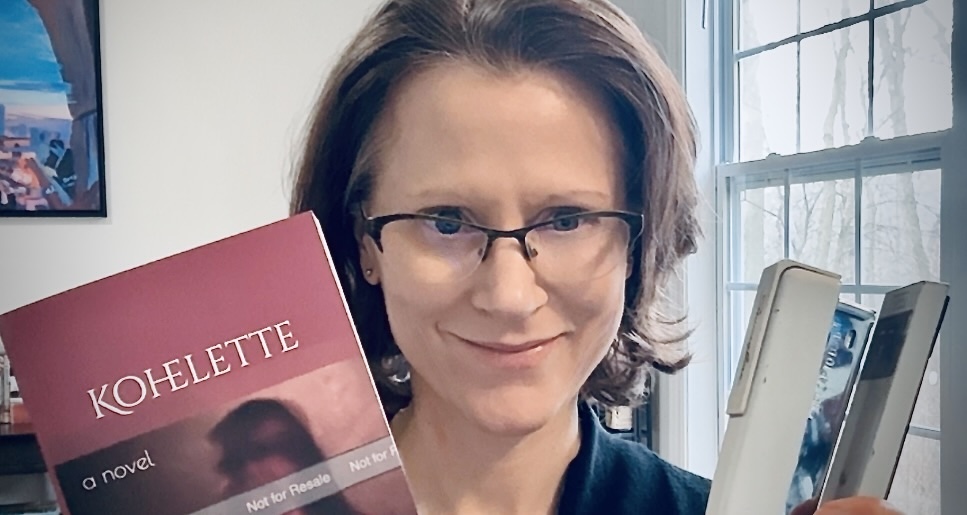
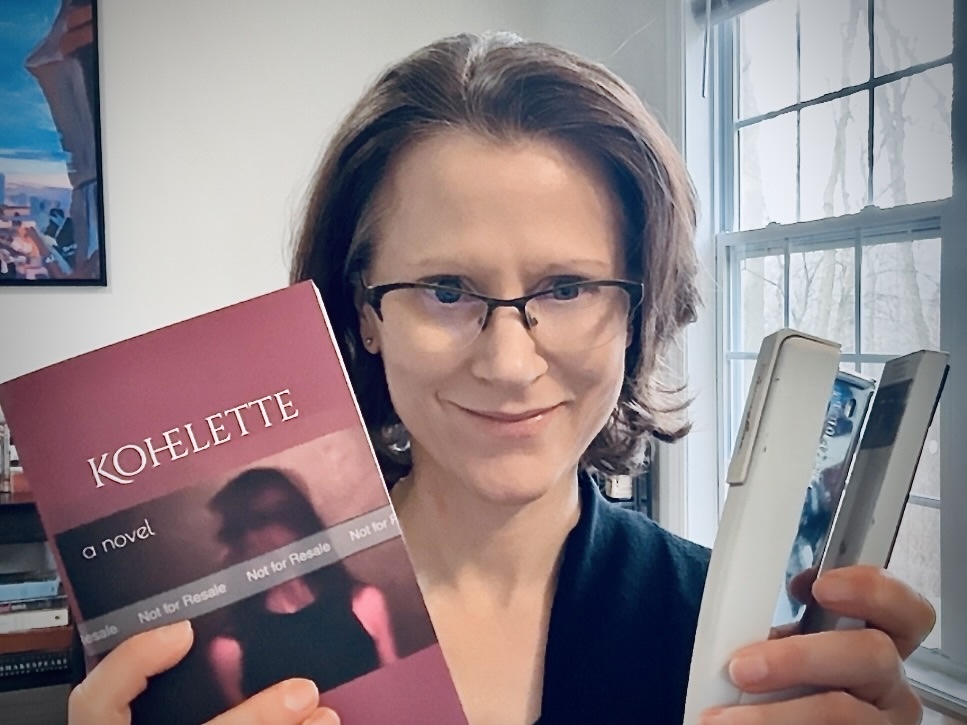
That sense of something more to say is one of the reasons why, in my forthcoming novel Kohelette, I draw from the genre of magical realism to evoke encountering the ways a loved one may stay with us even after they’re gone. After the initial gut punch of loss, it’s been my own experience—at least—that the person’s continued presence can feel just as intense as their new absence. Magical realism weaves a bit of the fantastic into everyday “real” life, and I felt Kohelette’s story of losing and learning to live again needed a bit of the fantastic to evoke the kind of presence that literal realism can’t fully do.
I blog often about grief and memory, and in one way or another, I find myself coming back again and again to the power of memories, particularly memories of love, and the vivid, active difference those memories continue to make in the present. There are places and objects in Kohlette’s story, for instance, that send her back to those “lost” relationships as they continue to deepen in the present and even offer her new insights.
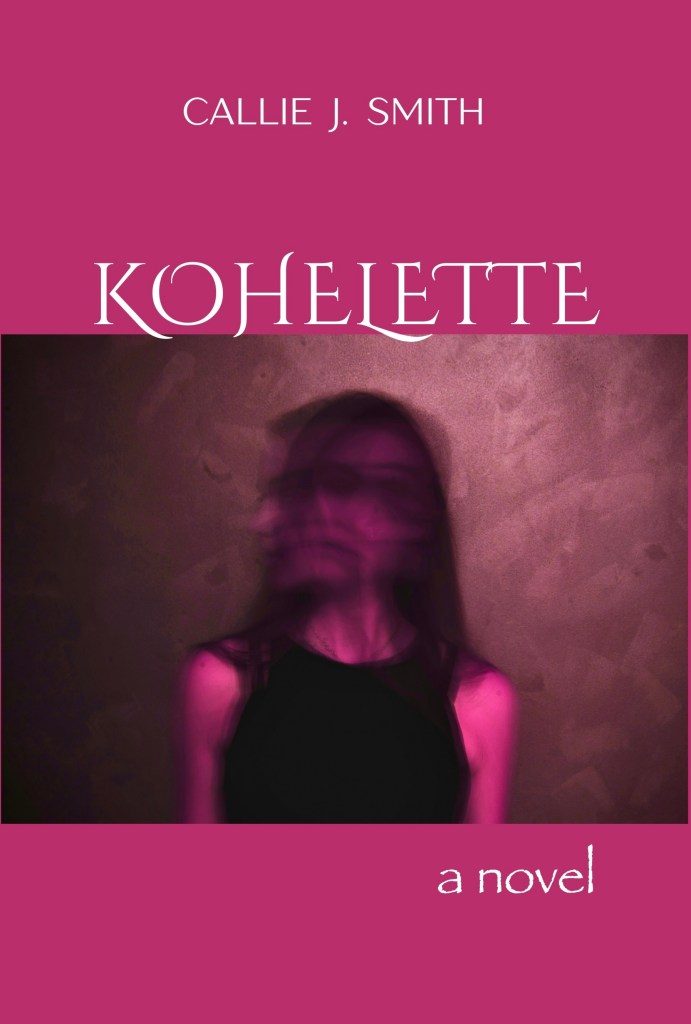
“You can do anything you want to do,” Kohelette’s father tells her. (And yes, that is a biographical tidbit from my own life.) Kohelette reflects that she doesn’t believe those words anymore, and yet, her father’s voice continues on as a character in her story even after his death, speaking such words to her. Talking with his ghost gives her new perspectives as she sorts through how to support the family after the loss of a job and how to raise her daughter under so many new stresses. “We have ways of being with people,” Kohelette explains to someone later. “What we are to each other sticks.”
What we are to each other doesn’t go away. Our people don’t go away. And that changes everything.
The stapler my father gave me – and the world of supportiveness, care, regard, and belief in me as a person that still comes along with that gift – has made all the difference for me. I won’t pretend that I used it on the actual manuscript of Kohelette: A Novel. My printouts for reading and proofing required those massive binder clips. But I still reach for my father’s stapler a fair amount, having a love of hard copy things as I do. And that stapler sat nestled on the shelf beside my Post-it notes during the hours writing and revising, on all the days I doubted the story would amount to much, and through all the rejection emails in my search for a publisher.
“You can do anything you want to do,” my father told me. How could I not include my father in the dedication of the book?
Here’s to all those things and all those people who keep making a difference in our days.

 Callie J. Smith