
I dread “the block.” It comes in all shapes and sizes for all kinds of creative projects. It frustrates the heck out of people whose well-meaning efforts it stalls.
Ever been there?
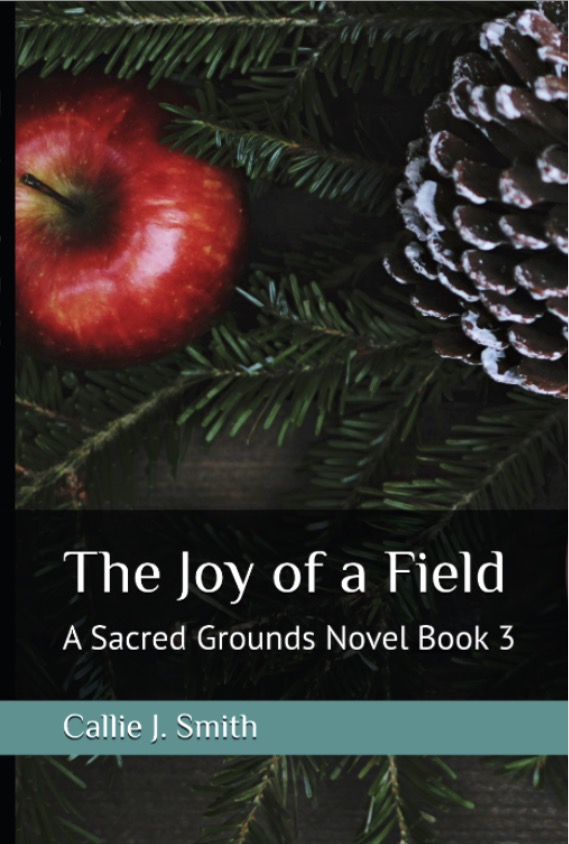
It’s not fun. Unfortunately, my most recent novel, The Joy of a Field, left me spending more time with creative block than either of the other novels in my Sacred Grounds trilogy. The “block” sensation kept creeping out from wherever it hid in my mind, always asking, “Does this matter enough to spend so much time working on it?” The question often killed my motivation.
It didn’t help that the novel took longer to write than either of the others in my series. Twice before finishing a first draft of Joy, I paused from the manuscript in order to take on other projects with more income-earning potential. Both times I returned to the manuscript after pausing, I found myself asking the nagging question that I thought I’d already put to rest: was it a valuable enough story to warrant working on for months and months?

The Joy of a Field differs enough from the first two novels in my Sacred Grounds trilogy that I truly had been uncertain about its value. The first novel, Kat’s Dreams, involves a thirty-something woman named Kat who’s figuring out how to respond to a #MeToo experience when the perpetrator is still, in spite of Kat’s complaints, not being held accountable. In the second novel, Suddenly Color, Kat is facing mental health issues that generations of her family have refused to acknowledge. Both of these stories felt like crucial ones for me to tell. I don’t believe our society tells such stories often enough, and so the telling mattered to me.
But a story of holiday stress? Not so much.
And The Joy of a Field is a story of holiday stress. Kat is trying to enjoy her winter season while facing family and workplace pressures that aren’t contributing to anyone’s joyfulness. Holiday stress may be a common enough experience, but as I described the story to others, I kept thinking that it seemed a little … mundane. Which isn’t a bad thing in and of itself. I worried, though, that the story wouldn’t carry the same weight or value as the two earlier novels. Enter creative block.
I tried to persevere in spite of it. I made myself spend at least half an hour at my desk before breaking from any given writing session. Sometimes, my personal experience with holiday stress let me connect again with Kat. In those times, writing through Kat’s family bickering and workplace dynamics felt cathartic. Other times, I only had the basic goal of finishing what I’d started to carry me forward.
Then came the kitchen scene.
It’s a place in The Joy of a Field where Kat has fought with an overbearing relative and stormed out of the dining room, trying to calm down. She considers making herself a second cup of coffee. To her, it’s a dilemma.
Non-coffee drinkers may laugh at that, but coffee-lover Kat (she’s a barista, after all) had spent months earlier that year weaning herself off caffeine save for her single cup of French pressed dark roast each morning. She’d been figuring out how to deal with symptoms of an intensifying mood disorder and had strictly reduced her coffee intake.
And yet, Kat is feeling better this winter. She’s even gotten her symptoms under relative control. Will she now allow herself the comfort – and yes, the crutch – of holding a second cup of coffee in her hands when going back to deal with her mother’s aunt? The “little” question carries all the weight of someone trying to manage daily life when managing hasn’t always felt like a given.
That, I realized, was the reason I kept wanting to write this kind of story. I wanted kitchen scenes. I wanted to see Kat, who’d clawed her way through a #MeToo experience and the managing of a mood disorder, carry all that wounding and wisdom with her in the long, slow process of learning to thrive again. Including impossible holiday schedules and overbearing aunts. That everyday glimpse into a person coming alive again felt momentous to me. It was the meaning I hadn’t identified yet. I keep thinking my creative block knew that and kept using it to mess with me.
Until the kitchen scene.
Not that the book finished itself automatically after I found my flow in the kitchen scene. Still, the experience gave me a slight, albeit grudging, appreciation for the work that creative block was doing in me. It was showing me my uncertainties about the story, things I needed to keep interrogating, angles I had yet to figure out. I doubt I’ll ever get to the point of outright welcoming creative block, but I did develop a bit more respect for the value in spending time exploring it when shows up.
As for Kat, she made her second cup of coffee. It really did help.
—
A version of this reflection first appeared as “Momentous and Mundane: Spending Time With Writer’s Block” in the July 11, 2025 issue of Women Writers, Women’s Books.

 Callie J. Smith