Sometimes I don’t really know what I’m doing. It’s not always a bad thing.
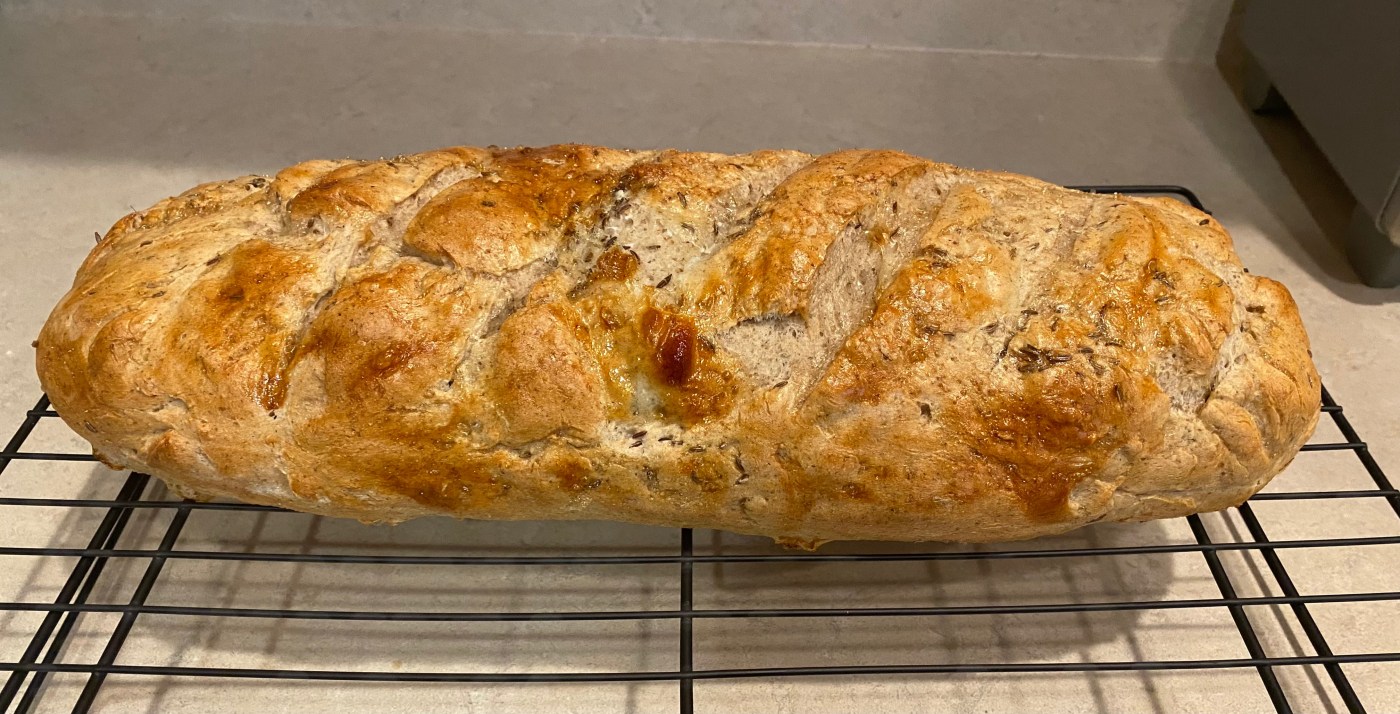
For instance, I’ve had a hankering to bake rye bread lately – real rye bread that smells like yeast and rises on the kitchen counter. I knew nothing about any of it, but I decided a few months ago that a character in the fantasy novel I’m writing would love rye bread. So, I did some research. I found a recipe for homemade rye bread and started experimenting with variations.
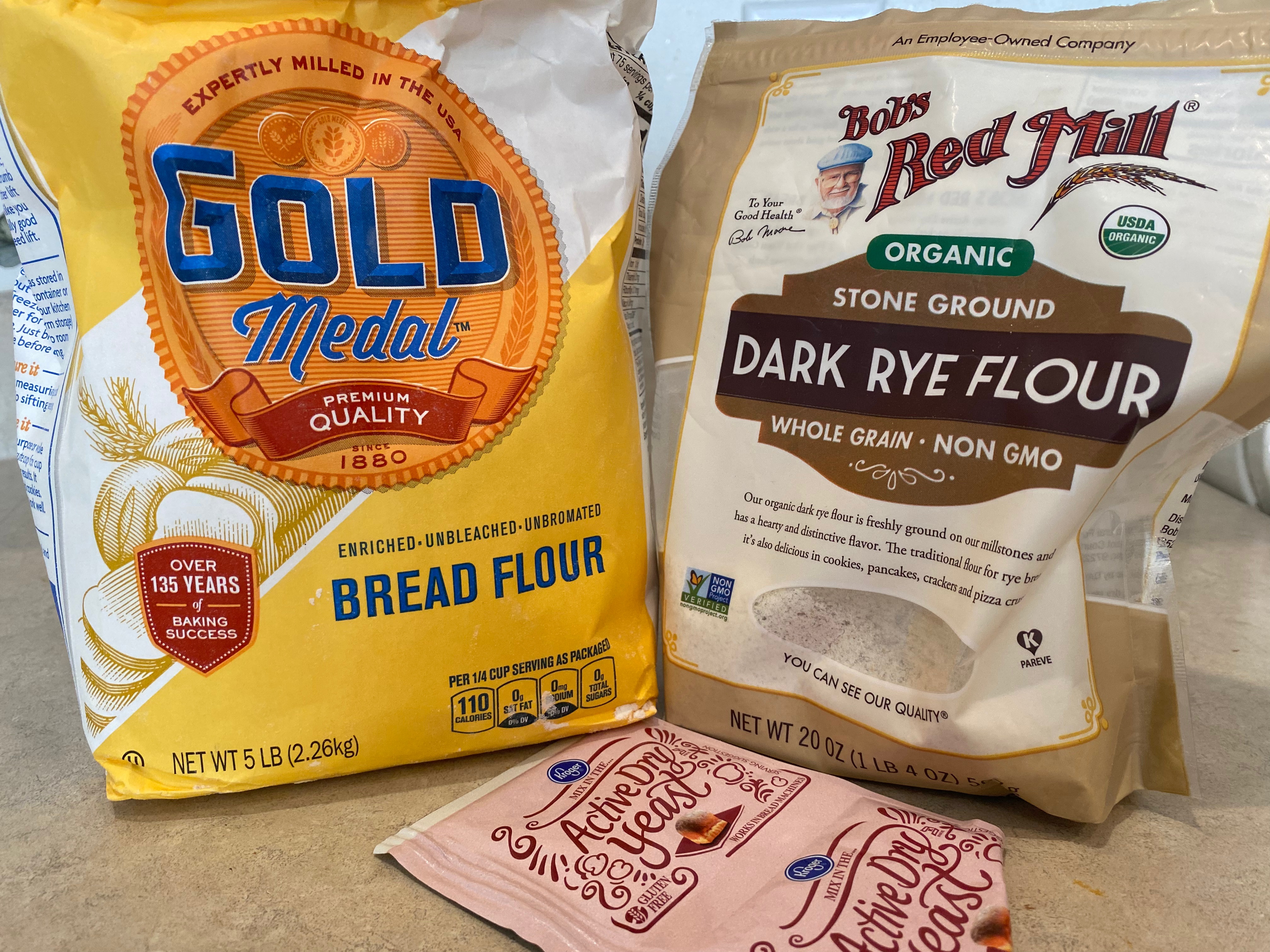
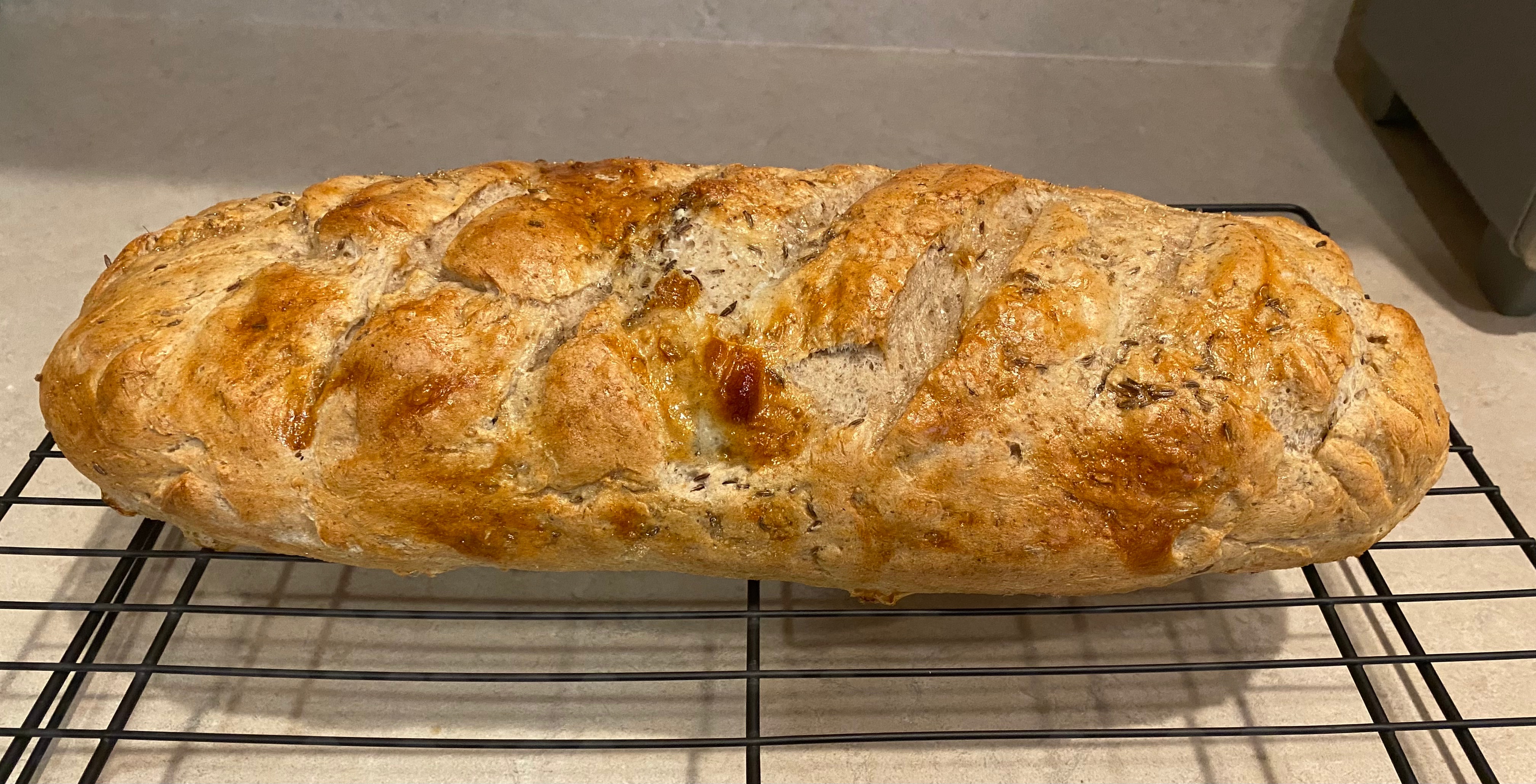
I’ve learned a lot. I know I prefer the “seeded” (with carraway seeds) to “unseeded” version. I found that allowing the dough to rise overnight really does make for a nicer loaf than rushing ahead with the same-day option.
I also know more about yeast now. My batch using the only kind of yeast my little grocery store down the road had in stock one day (active dry yeast) alerted me to the fact that it wasn’t the same thing as the instant yeast my recipe called for. Substitutions – I learned – can work, but only when adjusting measurements and rising times.
Live and learn! And I thought these things were the reasons for my research.
Then I started sharing the results.
I thought I remembered that one of my neighbors liked seeded rye bread, so I left a loaf of it at her front door one morning. When I heard from her later, she caught me off guard with her utter enthusiasm. She told me that rye bread was her favorite because it was her father’s favorite. Her family ate it all the time when she was growing up because of him. Her story and enthusiasm immediately rang true for me. I may be a vegetarian, but every so often, I’ve loved banana pancakes and bacon because I remember the mornings in my childhood home when my father stood at the stovetop frying bacon, flipping banana pancakes, and making the house smell absolutely amazing.
And with that, I knew the character in my fantasy novel even better. She, I decided, would also love rye bread because she had a parent who loved it. I hadn’t known what I was doing with yeast, and rising time, and all the variables. I also hadn’t known what I was looking for when I stumbled upon the story of how and why a person who loved rye bread had come to love it. I hadn’t understood the extent of what I needed to glean from my research project. I’m so, so glad I dove in and got started anyway.
Do you ever go at life like that, setting out to do things while not fully understanding why you’re doing them or how they might prove helpful? Do you ever take one step before you even know what your next step needs to be?
I do. Even when I haven’t intended it, I’ve realized over the years that life often works this way for me. I find things I didn’t know I was looking for, stumbling across lynchpins of projects and guiding factors for decisions that I didn’t even know I needed.

I became aware of this all over again as I wrote a first draft of my recent novelette Coincidentally Yours. A couple times I had the main characters showing up somewhere to ask questions or to look around with only a vague idea of what they were looking for. In each case, I reread the section and asked myself, “Is that really plausible? People don’t do that, do they?” I found myself answering without hesitation, “It’s totally plausible!”
In that, I suppose, my writing has skewed autobiographical.
I have one of those personalities that hates the interview question of “Where do you see yourself in five years?” I may not laugh out loud when asked, but I do take the question with a grain of salt, knowing (and sometimes saying) that I mainly learn by doing, that my bigger pictures emerge from smaller steps along the way, and that never once has my answer to that question accurately predicted where I’d end up being or where I’d end up wanting to be in five years.
So many destinations require journeys. They emerge when we let our knowing unfold. They’re reached through slow, wise processes repeatedly downplayed in our society.
Granted, I can imagine a solid case for the value of the five-year question. Regardless of its accuracy as a predictor, for instance, the answer may say a lot about a person and how she thinks. There’s great value in thoughtful action and in picturing multiple steps into the future. I don’t write any of this to devalue those thoughtful approaches. In fact, I believe actionable goals and the lists, calendars, data, calculations, etc. that may support them hold great value.
In fact, I’ve become even more of a spreadsheet person over time! I’ve recently begun using a spreadsheet to keep track of which government representatives I’ve contacted about what and when. I know I’m not the only person trying to find ways to draw attention to crucial issues. In so many contexts, strategic and thoughtful action is important.
And yet …
As I’ve been taking actions that I hope (but don’t actually know) will make a difference, I’ve felt the relentlessness of this cultural moment dragging me down. I’ve been finding it needful to remind myself that it’s alright if I don’t know how to change everything I want to change. It’s alright if I don’t know how the constructive actions that so many people are trying to take will add up to the interventions our society needs. There are slow, wise processes that no one person may be able to map out in advance but that may still lead us in better directions.
And so, among the strategic and spreadsheet-based things I do in my days, I’m also baking bread and flipping pancakes, remembering loved ones gone, telling stories with loved ones near, writing a fantasy novel, and reminding myself that it’s alright if I don’t always know what I’m doing. Sometimes, I simply need to do something to get started.
What about you? In what areas of life have you been thinking, “I don’t know what I’m doing”? What interesting things have you been learning or remembering along the way?
“On Baking Bread and Not Knowing What I’m Doing” appears in Smith’s forthcoming collection A Prayer on Waking: Contemplative Essays and Poetry from Clay Patin Press. Click here to read more.

 Callie J. Smith